
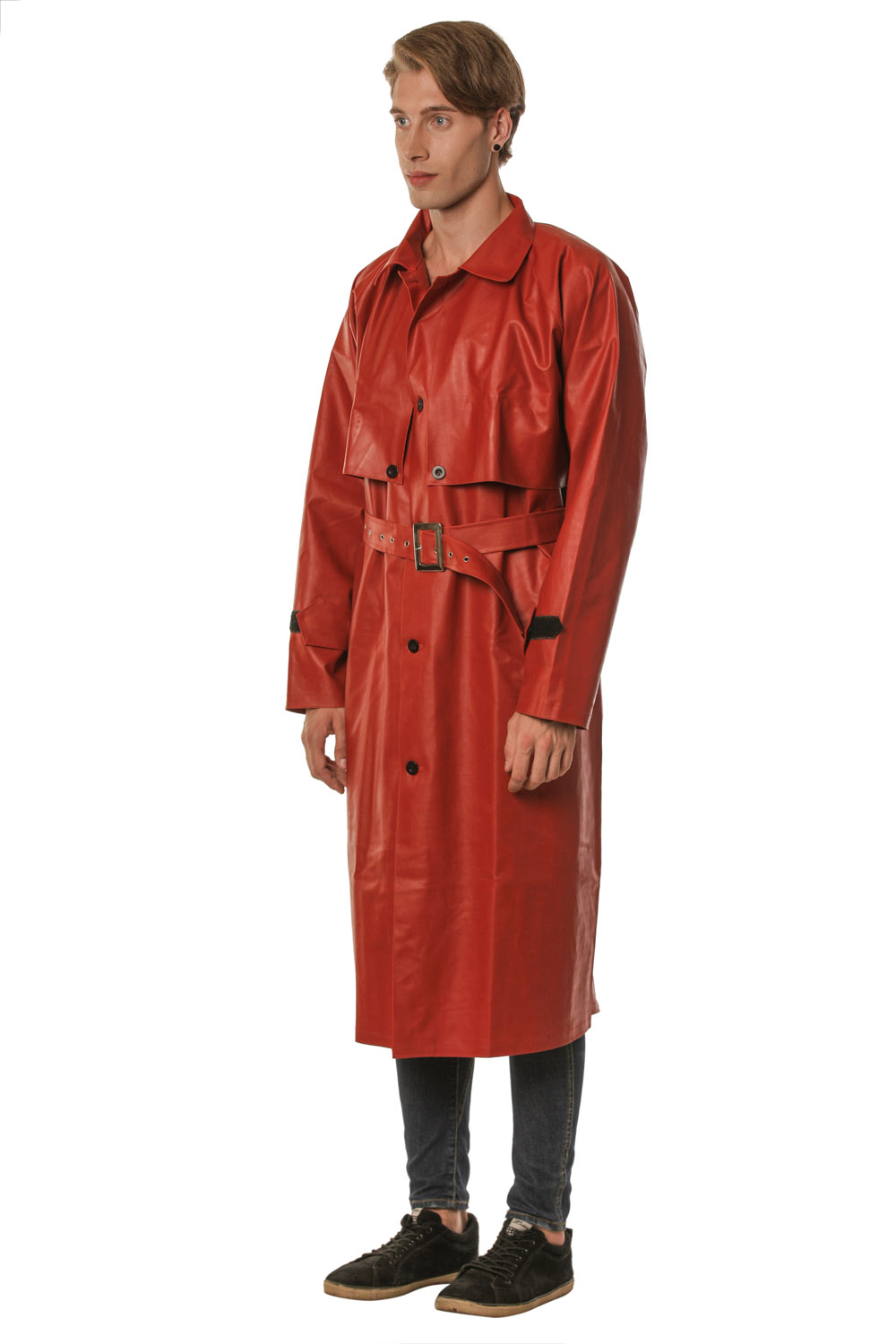
When comparing Natural Rubber vs Synthetic Rainwear, buyers often focus on waterproof protection, durability, comfort, and environmental impact. As sustainability becomes a major purchasing factor worldwide, consumers, distributors, and procurement professionals are increasingly evaluating which rainwear material delivers better long-term performance and value.
Although synthetic waterproof garments remain widely available, eco-friendly alternatives are gaining attention across global markets. Therefore, understanding the differences between these materials can help businesses and consumers make smarter purchasing decisions.
Natural rubber rainwear is manufactured using latex derived from rubber trees. Because it comes from a renewable source, it is often viewed as a more environmentally responsible waterproof solution.
Moreover, the material remains flexible even after repeated use, helping maintain waterproof performance for years.
Synthetic rainwear is generally produced from PVC, polyurethane (PU), polyester coatings, and other plastic-based materials. While these products are often affordable and lightweight, their performance can vary depending on quality and usage conditions.
However, long-term durability may be affected by sunlight exposure, folding, and temperature fluctuations.
Natural rubber creates a dense barrier that effectively prevents water penetration. Consequently, it performs exceptionally well during prolonged exposure to heavy rain.
Key advantages include:
Synthetic materials also block water effectively. Nevertheless, lower-quality PVC products can develop cracks or lose flexibility over time.
For long-term waterproof performance, natural rubber generally provides more dependable protection.
Durability is one of the strongest advantages of natural rubber. It resists:
As a result, many industries prefer rubber-coated rainwear for demanding work environments.
Although synthetic garments can last for several seasons, repeated stress may eventually weaken coatings and seams.
Natural rubber offers better durability and typically requires fewer replacements.
Comfort plays a critical role for workers, commuters, and outdoor enthusiasts.
Furthermore, many users appreciate its premium feel compared to plastic alternatives.
Some PVC-based raincoats may feel rigid or create a crinkling sound during movement. Consequently, comfort levels can decrease during prolonged use.
Natural rubber generally delivers superior comfort and flexibility.
Today, sustainability is influencing purchasing decisions across Europe, North America, and Australia.
Because natural rubber is sourced from renewable latex, it offers several environmental advantages:
Additionally, durable products generate less waste over time.
Synthetic rainwear often relies on petrochemical resources. Therefore, concerns about plastic waste and environmental impact continue to grow.
For more information about sustainable materials, visit the United Nations Sustainable Development Goals and World Wildlife Fund (WWF).
Natural rubber remains the more sustainable option for environmentally conscious buyers.
Natural rubber rainwear is widely used across:
Workers benefit from durable waterproof protection during challenging weather conditions.
Farmers require reliable rain protection throughout the year.
Delivery personnel and transportation teams need dependable all-weather gear.
Hikers, cyclists, campers, and travelers value comfort, flexibility, and durability.
International buyers increasingly prioritize:
Consequently, demand for natural rubber rainwear continues to grow across Germany, France, Switzerland, the United Kingdom, Spain, Australia, and the United States.
| Feature | Natural Rubber | Synthetic Materials |
|---|---|---|
| Waterproof Protection | Excellent | Good |
| Durability | High | Moderate |
| Comfort | Superior | Variable |
| Flexibility | Excellent | Moderate |
| Sustainability | High | Lower |
| Long-Term Value | Excellent | Moderate |
Choosing between natural and synthetic waterproof garments depends on budget, usage requirements, and sustainability goals. While synthetic products may offer a lower initial cost, natural rubber provides superior durability, comfort, waterproof protection, and environmental benefits.
Therefore, businesses and consumers seeking long-term value often view natural rubber rainwear as the smarter investment. As sustainability becomes increasingly important, demand for renewable and durable waterproof solutions is expected to continue growing worldwide.
Natural rubber rainwear generally offers better durability, flexibility, comfort, and sustainability.
Natural rubber typically delivers more consistent waterproof performance during heavy rainfall.
Yes. Natural rubber comes from renewable latex sources and supports sustainable manufacturing practices.
In most cases, natural rubber rainwear lasts longer because it resists cracking and wear more effectively.
Natural rubber is often softer and more flexible, making it more comfortable for extended wear.
Industries value its durability, waterproof reliability, and long service life in demanding environments.
Although synthetic products may cost less initially, natural rubber generally provides better value due to its longer lifespan.
Natural Rubber vs Synthetic Rainwear | Eco-Friendly Rainwear | Sustainable Rainwear | Waterproof Natural Rubber Rainwear | Rubber-Coated Rainwear | Durable Rainwear | Waterproof Clothing | Rainwear Comparison | Industrial Rainwear | Green Rainwear Solutions | Sustainable Waterproof Clothing | Long-Lasting Rainwear | Renewable Material Rainwear | Waterproof Protection | Outdoor Rainwear
Subscribe to be updated on new releases, sales and special offers