
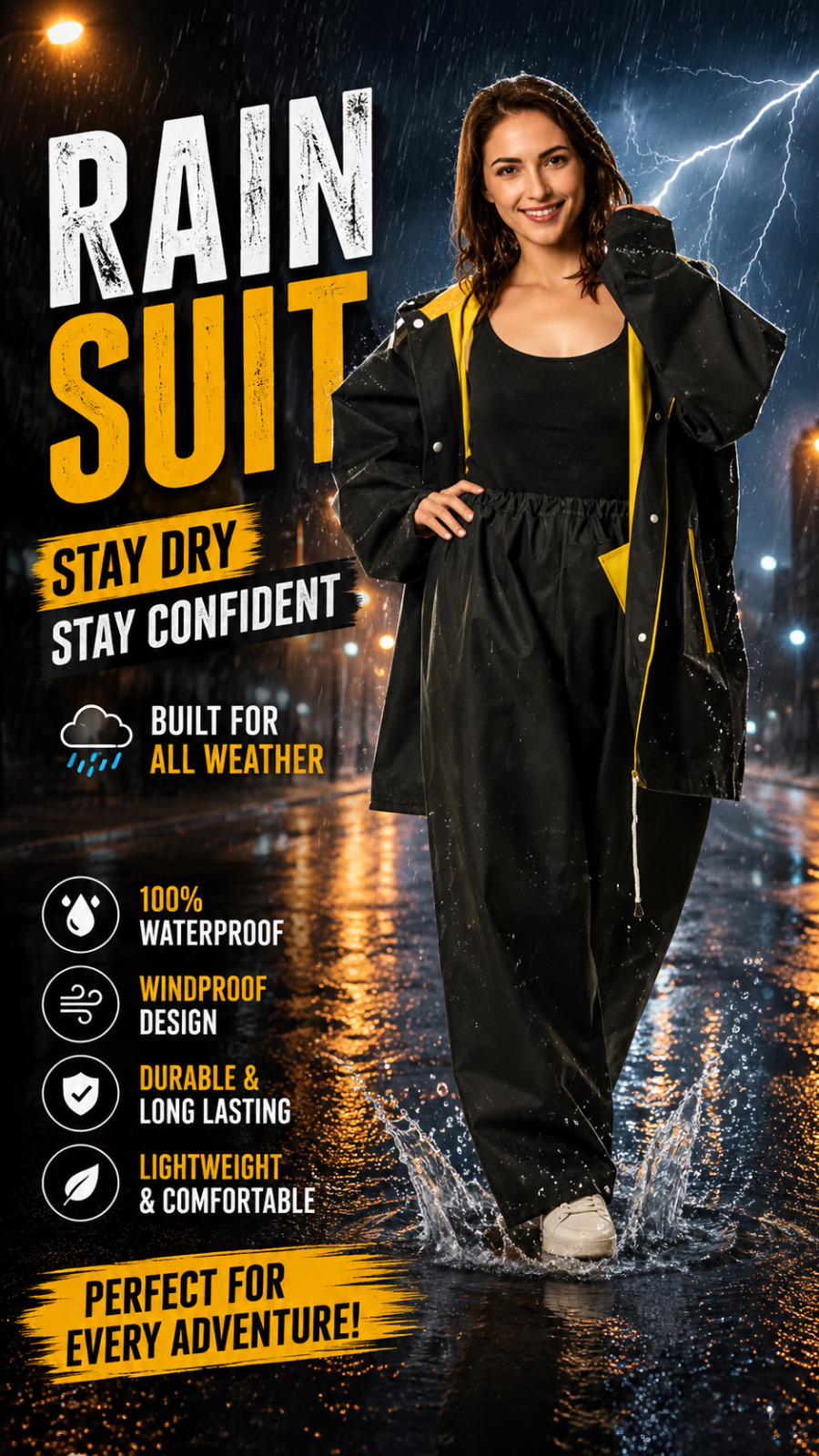
Imagine buying a premium natural rubber raincoat that keeps you completely dry during the heaviest monsoon showers. It feels comfortable, offers excellent flexibility, and provides reliable waterproof protection every time you wear it. But after just one rainy season, you begin noticing cracks, faded surfaces, leaking seams, or stiff material. Naturally, you might think the product is defective.
In reality, however, improper care and storage are among the most common reasons for premature deterioration of quality rubber rainwear.
Natural rubber rainwear is engineered to withstand demanding weather conditions, making it a preferred choice for industrial workers, construction professionals, outdoor enthusiasts, delivery personnel, and commuters. Like any high-quality protective equipment, it requires routine maintenance to preserve its waterproof performance, flexibility, and durability.
Simple mistakes—such as drying rainwear under direct sunlight, folding it while still wet, storing it near heat sources, or cleaning it with harsh chemicals—can significantly shorten its lifespan.
At RKD Rubber, we manufacture premium pure natural rubber rainwear designed for exceptional durability, superior waterproof protection, and long-term performance. With proper care, your rainwear can continue delivering reliable protection season after season while offering excellent value for your investment.
Many users focus only on purchasing high-quality rainwear but overlook its maintenance. Proper care is just as important as selecting the right product.
Well-maintained natural rubber rainwear offers several long-term advantages:
Routine maintenance helps preserve the natural elasticity of rubber while preventing unnecessary wear and tear.
After returning from work in the rain, many people hang their rainwear under direct sunlight, believing it dries faster. While it may speed up drying, prolonged UV exposure gradually weakens natural rubber.
Always dry natural rubber rainwear in a shaded, well-ventilated area away from direct sunlight.
Storing wet rainwear without allowing it to dry completely traps moisture inside the folds.
Always allow your rainwear to dry naturally before folding or storing it.
Natural rubber reacts poorly to strong cleaning chemicals.
Avoid using:
These chemicals strip away the protective properties of rubber, causing premature aging.
Instead, wash your rainwear gently with mild soap and clean water.
Storage conditions greatly influence the lifespan of rubber products.
Avoid storing rainwear:
A cool, dry, and shaded location is ideal.
Industrial environments expose rainwear to dust, mud, grease, oils, and chemicals.
Over time, these contaminants slowly degrade the rubber surface if left uncleaned.
Develop a simple cleaning schedule, especially after heavy-duty use.
Mechanical damage is another common reason rainwear fails prematurely.
Avoid:
Handle fasteners gently to prevent tearing around seams.
Poorly fitted rainwear experiences unnecessary stress during movement.
Tight rainwear can cause:
Choose the correct size for maximum comfort and durability.
Improper storage can lead to accidental punctures.
Keep rainwear away from:
Small cuts often become major leaks during heavy rain.
Many users notice damage only after rainwater starts leaking inside.
Inspect your rainwear before every rainy season for:
Early repairs help prevent larger problems.
Even perfect maintenance cannot compensate for poor-quality materials.
Cheap synthetic rainwear often suffers from:
Investing in premium natural rubber rainwear delivers better long-term value.
Watch for these warning signs:
Addressing these issues early helps extend product life.
Taking care of your natural rubber rainwear offers numerous advantages.
Proper maintenance significantly increases service life.
Well-maintained rubber continues to repel water effectively.
Fewer replacements reduce long-term expenses.
Soft, flexible rainwear provides better mobility during extended use.
Clean, well-maintained rainwear reflects professionalism in industrial workplaces.
Reliable waterproof protection helps workers stay dry and focused.
Quality rainwear delivers maximum value when maintained correctly.
Follow these simple habits:
✔ Clean rainwear after every heavy use.
✔ Use mild soap and soft cloths.
✔ Dry naturally in the shade.
✔ Hang instead of tightly folding.
✔ Store in a cool, dry place.
✔ Avoid petroleum-based cleaners.
✔ Inspect buttons and zippers regularly.
✔ Keep away from sharp objects.
✔ Check for damage before every rainy season.
A construction company operating across multiple project sites found itself replacing workers’ rainwear almost every monsoon. Frequent exposure to mud, cement, and harsh weather combined with improper storage significantly reduced product lifespan.
The company introduced a simple maintenance program that included routine cleaning, shaded drying, regular inspections, and proper storage. They also upgraded to RKD Rubber’s premium natural rubber rainwear.
Within one year, replacement frequency dropped considerably, procurement costs decreased, and workers reported greater comfort, improved waterproof protection, and higher satisfaction during long outdoor shifts.
This example demonstrates that proper maintenance and high-quality rainwear together provide measurable operational and financial benefits.
Industrial safety professionals recommend treating natural rubber rainwear with the same care as helmets, gloves, and safety footwear.
Routine inspection, proper cleaning, and correct storage preserve waterproof performance while significantly extending product lifespan.
Premium natural rubber rainwear offers exceptional durability—but only when maintained properly.
Advancements in rubber technology continue improving protective clothing.
Future innovations include:
Manufacturers are increasingly developing environmentally responsible rainwear without compromising durability or worker protection.
Proper care is the key to extending the life of your natural rubber rainwear. By following simple maintenance practices—such as cleaning it after use, drying it in the shade, storing it in a cool, dry place, and inspecting it regularly—you can maintain its waterproof performance, flexibility, and durability for years.
While investing in high-quality rainwear is important, maintaining it correctly ensures long-lasting protection, reduces replacement costs, and enhances comfort and safety in demanding work environments. Moreover, consistent care helps your rainwear perform reliably through every monsoon season.
At RKD Rubber, we are committed to delivering premium pure natural rubber rainwear that combines superior craftsmanship, exceptional durability, and dependable waterproof protection. Choose RKD Rubber for reliable rainwear solutions that keep you protected, comfortable, and ready to face every challenge, rain or shine.
“Quality rainwear is an investment—proper care ensures it protects you through every storm.”
🛑 Don’t let simple maintenance mistakes shorten the life of your premium natural rubber rainwear.
🌧️ Explore RKD Rubber’s collection of premium pure natural rubber rainwear engineered for exceptional waterproof protection, durability, flexibility, and long-lasting performance.
🛍️ Rainwear Collection: https://rkdrubber.com/collections/
📩 Need help choosing the right rainwear for industrial, commercial, or outdoor applications? Visit our Contact Us page for expert assistance.
📞 Contact Us: https://rkdrubber.com/contact-us
📧 Email: rkdrubber@gmail.com
🌐 Website: https://rkdrubber.com/
Natural Rubber Rainwear | Natural Rubber Rainwear Care | Waterproof Rainwear | Rainwear Maintenance | Rubber Rainwear Protection | Rainwear Care Tips | Waterproof Protection | Durable Rainwear | Flexible Rainwear | Industrial Rainwear | Rubber Raincoat Care | Pure Natural Rubber Rainwear | Waterproof Workwear | Raincoat Maintenance | Rubber Rainwear Cleaning | Rainwear Storage Tips | Long-Lasting Rainwear | Heavy-Duty Rainwear | Protective Rainwear | Outdoor Waterproof Clothing | Monsoon Rainwear

Subscribe to be updated on new releases, sales and special offers